


Globally we are dealing with a cybersecurity talent shortage. There is a huge demand currently in Ireland and across the globe for cybersecurity professionals as companies are actively looking to increase their workforce to safeguard against any potential cyber breaches.
There is a concerning gap between the demand for skilled cybersecurity professionals and the available workforce to meet that demand. The increasing sophistication of cyber threats and the growing reliance on digital technologies across various sectors have escalated the need for cybersecurity expertise. This shortage is fuelling increased salaries in the area.
A skills gap in cybersecurity within Ireland has long been a source of warning from industry professionals. The several recent incidents of high-profile cyber-attacks emphasise the need to close this gap and address these shortfalls.
The Cyber Security Skills Report 2021 published by Cyber Ireland, found Ireland to have both a serious skills shortage and a skills gap in the cybersecurity sector. Cybersecurity teams were found to be understaffed in a male-dominated industry afflicted by a “serious” skills gap. These gaps have a knock-on effect on all aspects of the economy. All sectors have digitalisation plans, including the public sector. These are all at risk.
Several factors have contributed to this shortage:
-Firstly, as I mentioned, there is a rapid evolution of cyber threats, which necessitates continuous upskilling and adaptation to new technologies and attack methods.
-Secondly, our traditional education systems have struggled to keep pace with the rapidly changing landscape of cybersecurity, leading to a lag in producing qualified professionals.
-Additionally, high competition for skilled cybersecurity talent globally makes it challenging for individual countries like Ireland to attract and retain these professionals.
That said, we are rising to the challenge and Ireland’s cyber security sector and employment is growing rapidly, reflecting global growth in the cyber security market. Various reports have identified almost 7,500 professionals currently working in the cyber security sector in Ireland, with the potential for 17,000 jobs by 2030.
The efforts being made in Ireland to address this skills shortage include:
-Public and private sector organisations are investing in cybersecurity training programs, collaborating with educational institutions to develop specialised cybersecurity courses, and promoting initiatives to upskill the existing workforce.
-Public-private partnerships are being fostered to create a talent pipeline, offering mentorship programs and internships to encourage more individuals to pursue careers in cybersecurity.
-Cybersecurity Awareness Campaigns: Public awareness campaigns aim to educate individuals about the importance of cybersecurity, encouraging more people to pursue careers in this field. Due to the nature of the work, it’s a highly dynamic “trendy” industry to be in now with many career development paths to follow.


In a recent article, Puneet Kukreja, EY’s UK and Ireland cyber leader, discusses his thoughts on digital transformation, sustainability data, and cyber talent shortages.
Stating “While technical expertise remains crucial, a more diverse skillset is essential, including effective communication and broader business acumen. This broader skillset enables them to influence decision-makers at the board level”.
Within an organisation, your role in Cybersecurity makes an impact, and the nature of this impact is evolving at a rapid pace.
In Ireland, all 3rd-level and many private schools are offering Cybersecurity courses and graduates can find themselves going straight into employment almost immediately. Some of the main “in demand” role titles currently are Information Security Officer, Network Security, Cybersecurity Engineer & Penetration Tester to name but a few. The main certifications in demand would be CISSP, CISM, CISA & CompTIA Security.
For the short term, the cybersecurity skills shortage remains a challenge in Ireland and globally. Continuous investment in education, training, and industry collaboration will be essential to mitigate this issue.
Author John Ryan is our recruitment expert in this area. Don’t hesitate to get in touch with John if you would like to chat with him about available opportunities in the cybersecurity field or if you would like advice on how to upskill within this highly sought-after area effectively.
In today’s fluid job market where professionals seek flexibility and autonomy, the transition from permanent employment to contracting is more popular than ever. This move can allow individuals to take charge of their careers, choose projects that align with their strengths, and earn higher pay. Any such transition will demand careful planning and thought to ensure success. This blog seeks to guide you through the process, highlighting essential steps and how to succeed becoming an IT contractor.
Why Choose Contracting?
Contracting offers unparalleled control over project selection, work locations, schedules, and income. As a contractor, you can become your own boss, define your career path, and shape your professional aspirations. This is hugely appealing given the busy full lives most of us lead.

Structuring Your Contracting Business
Becoming an IT contractor is akin to setting up your own business. You’ll need to determine your specialisation or niche, identify the market demand for your skills, and choose the most suitable legal structure for your business, such as a Personal Limited Company or an Umbrella Company.
Building a strong online presence, showcasing your experience, projects, and skills, and networking with potential clients are all essential steps in establishing your IT contracting career. Develop a marketing strategy to promote your contracting services. Remember, you’re selling your expertise to potential clients and recruiters. Don’t shy away from regularly posting about your achievements and new skills or certifications.
Benefits of IT Contracting in Ireland
The thriving tech industry in Ireland presents numerous advantages to becoming an IT contractor.
Lucrative Opportunities
Competitive rates and high earnings potential are very attractive within this competitive sector.
Flexibility
Choose your own projects, clients, and schedules that align with your career aspirations. The beauty of it is you now have control over your own work/life balance.
Continuous Learning and Growth
The variety of clients and projects will provide exposure to new and innovative technologies that will enhance your skill set and specialisation.
Making a Smooth Transition
Plan Strategically
Evaluate your strengths and unique selling points, align them with market demands, and plan your contracting journey. As a contractor you are selling your experience. Potential employers are looking for you to be able to ‘hit the ground running’ there is usually no opportunity for a steep learning curve – contracting is not for people looking to get into a new career – you are selling your existing skills.
Manage Finances
Embrace financial responsibility by understanding your income and managing business expenses independently. At E-Frontiers, we have a dedicated contractor onboarding specialist who will guide you through this process.
Continuous Learning
Prioritise upskilling and stay updated with industry changes to enhance both your profile and marketability. At e-Frontiers we are happy to talk to and advise candidates in these areas.
Organisational Skills
Flexibility, initiative and learning on the job are key for an IT contractor.
Mastering Interviews
As an IT contractor you will need to approach contract job interviews by demonstrating how you can add value to projects and showcasing your adaptability. And be honest about why you want to make the move to contracting.
For an IT contractor a good relationship with your specialist recruiter is essential. They will be able to give leadership and advice and a steer on what contracts may be the best opportunity for you.
Essential Skills for IT Contractors
Technical Proficiency
To thrive as an IT contractor, you need a strong foundation in your area of specialisation. In-demand tech skills within the current market include Technical Project Managers, Change and Strategic Managers, Business Analysts, QA’s, Software Development, Cybersecurity, Cloud Computing, and Networking.
Adaptability
For an IT contractor adaptability is essential. You will need to be able to thrive in diverse project environments and quickly adapt to new technologies and systems.
Communication
Effective communication and client understanding are essential for collaborating with a variety of clients for successful project delivery.
Financial Acumen
Learn to manage your finances, negotiate rates, and handle taxes, all vital skills for an independent contractor. If this is not your area of expertise – don’t worry. Here at E-Frontiers, we can recommend accountancy companies that will guide you through managing your finances and invoicing. We will also be there to help walk you through the process of setting up as a contractor and negotiating rates.
Importance of an Up-to-Date CV
Showcasing Expertise
Show your ability in the latest technologies and your commitment to upskilling and learning. Edit your CV to specifically target the job description at hand and highlight the specific relevant skills that are critical to the role – but always be truthful about your skills and experience on your CV – never over embellish. Keywords are critical here. Recruiters are always available to do a quick scan-through for specific keywords.
First Impressions Matter
Your CV is the best tool you have in creating a lasting first impression: Design a well-structured CV to stand out, highlighting relevant skills and experiences tailored to each role. Apply the same attention to detail with your LinkedIn profile. This is often neglected but is usually the first port of call for a recruiter.
In conclusion…
Transitioning to IT contracting in Ireland offers a promising career path for tech enthusiasts seeking freedom and exciting challenges. To succeed, focus on honing your technical skills, adaptability, and communication, and carefully consider the business structure that aligns with your career and life goals. By building a strong professional profile, and staying updated with industry trends, you can successfully make the switch to IT contracting and thrive in this dynamic field.
This comprehensive guide provides aspiring IT contractors with the knowledge and insights needed to embark on a successful contracting journey. Whether you’re a seasoned pro or just starting off, the opportunities in IT contracting are waiting for you to explore.
To discuss our current opportunities in contracting, contact us today to chat with our Contracts Specialist Trish Lynch or check out our jobs section.https://seepsol.com/jobs-seekers/

A well-crafted LinkedIn profile can be a powerful tool in your job search. In today’s competitive job market, it’s essential to stand out and make a strong first impression on potential employers or recruiters. Job hunting often places such a focus on your CV, that you almost forget other tools at your disposal to help get a job. Many don’t realise that your LinkedIn profile is just as important as a CV in helping you get a job or being found by a recruiter!
The basics
Your Summary
This must be engaging and compelling to hook the reader to want to learn more about you. It should be a snapshot of your career, achievements, aspirations, and expertise. Use keywords that are relevant to your industry. Display genuine passion and use this space to build your own brand.
Your Headline
Keep it short and sweet, but informative. This is the first thing a recruiter will read about you even before revieweing your LinkedIn profile.
Customised URL
Personalize your LinkedIn URL to make it more professional and easier to share. Ideally, it should include your name.
Profile Picture
A high-quality, professional-looking profile photo. Dress appropriately with a neutral background.
Switch ‘Creator Mode’ on
This opens many advanced features to you such as ‘followers’, ‘#talks about’, a custom website link, access to extra analytics, and moves the ‘Featured’ section higher in your profile.
Open to Work
LinkedIn has profile settings where you’re able to highlight the fact that you’re “Open to Work” and you can even show recruiters what jobs you’d be interested in. And don’t panic, this feature won’t announce your change in status publicly to your current colleagues or boss. You can be “Open to Work” privately so only recruiters who have LinkedIn recruiter (nearly all recruiters use this tool) can see you’re open to work! This is a crucial step, as this is one of the first filters many recruiters use when looking for candidates.
The Finer Details
Work Experience: In your LinkedIn profile, list your work experience chronologically, including your responsibilities and achievements. Use action verbs and quantify your accomplishments whenever possible. This provides a clear picture to the reader of your contributions and capabilities. Give a summary of what each of your roles entailed and it’s most important to include the technologies used in that job so the reader has a full picture of your experience.
Make sure the company name is visible and state if it was a contract or full-time position. This is important as it flags whether you may be open to contract positions and also will explain short stints of work in different companies. These little changes will help with your job search.
Education: Include your educational background, all certifications, and any relevant courses or workshops you’ve completed. Highlighting your credentials can make you a more attractive candidate.
Showcase any significant projects you’ve worked on and any publications or articles you’ve written. This demonstrates your expertise and thought leadership.
The Featured Section: This is an underused section by most, but it is a perfect place to showcase and highlight work or community involvement that you’re most proud of. Here, you can feature posts and content that you’ve authored or re-shared, or articles you’ve published on LinkedIn. You can post external media such as images, documents, and links. It’s good to have a professional and personal mix here and refresh regularly.
Skills and Endorsements: Highlight your key skills and seek endorsements from colleagues and connections who can vouch for your abilities. These endorsements add credibility to your profile and can help you appear in more search results.
Recommendations: Request recommendations from supervisors, colleagues, or clients who can speak about and vouch for your strengths and work ethic. These personal endorsements really do carry significant weight in the eyes of potential employers ans will boost your job search and success.
And Finally…
Be Active with regular updates: Like, comment, share. This increases your visibility. Actively engage with your network by sharing relevant articles, commenting on posts, and participating in group discussions. Building meaningful connections can lead to job opportunities.
Keep your LinkedIn profile up-to-date, especially when you change jobs, acquire new skills, or achieve significant milestones. An active and current profile signals that you’re engaged in your field.
Conclusion
By making these changes you’ll be better positioned to make a positive impression on potential employers and increase your chances of landing your dream job. Your profile is a tool that can be used to great success. Remember that LinkedIn is not just a digital form of your CV, but an interactive platform for networking, showcasing your professional brand and will help your job search.
Happy job search! And if you are currently in the market for a new job, please do check out our latest openings here or contact us, and any member of our E-Frontiers recruitment team will be happy to help.
Thinking about a new job?
The typical pathway to finding a new job involves anything from 5-12 steps. Yes, you read that right, up to 12 steps! And let’s face it, most of these steps are far from enjoyable for you as the candidate. At E-Frontiers, we can take the pain out of the recruitment process for you when looking for a new job. Our goal is to make the recruitment journey as seamless and stress-free as possible for you. We value your time and strive to provide a positive and transparent experience at every step. This really is the main reason you need to consider working with one of our recruiters for your next new job search.

The difficult part
You are probably already familiar with the drill. A huge amount of time is spent trawling through job ads online, working your contacts and network. Seemingly never-ending rounds of CVs and applications, sent out with very little in return.
Trying to decipher cryptic job specs to determine who the job in question is looking for, you or perhaps indeed a superhuman. It’s time-consuming, stressful, and sometimes overwhelming, and it’s all too easy to give up too soon before you’ve gotten near to landing your dream job or getting your foot onto the next rung of the career ladder.
Make it easier for yourself!
The value we bring to the recruitment process? Simple. We can cut through the noise and do it in 4 steps for you!
Let’s simplify the recruitment process. With continuous communication and support throughout from E-Frontiers, we can reduce this process to 4 steps. Meet, Chat & Plan; Evaluate Opportunities; Interview Stage; Onboarding!
As the recruiter, we know the client and what they are looking for. Your recruiter will have the real low down on whether you are in with a decent shot at securing the position– answering the all-important question ‘Where am I in the running?’. You can then decide whether to invest more time and energy in this application or cut your losses and move on to the next opportunity.
Keep your options open
There are many opportunities out there and it can be easy to miss out on the best and most suitable of them as you concentrate all your time on one option. Your recruiter can avoid this pitfall by planning and thinking ahead for you.
We look at other suitable roles and opportunities as they arise and will apply and start the process on your behalf. This means you have the time to focus on one process at a time, without getting frazzled and stressed about the ‘what ifs’.
How E-Frontiers can help
You can conduct your job search the hard way as just described above, or the easy way. So, what happens with the easy way? Our recruiter will put the time in for you. While you concentrate on your day-to-day, your recruiter will do the leg work for you. The background research. The detailed job applications. The due diligence on whether the position and company are a good cultural fit for you.
We will give you direction and ideas on upskilling, based on what your peers in the same industry are investing in. You will receive lots of CV advice, and we know that making the appropriate CV changes and improvements BEFORE the job application will hugely increase your chances of getting an audience with the client.
Use your recruiter to your advantage
Your recruiter is your ally. Meet up for a coffee and chat and take advantage of their resources and their knowledge of the position and client. We want you to succeed and will do everything we can to make it happen. Quite often, client interview processes can be longwinded, going the route of stop, start and stop again, and are generally fraught with difficulties and stress. Your recruiter will be on hand to support you through this on a daily and weekly basis, giving meaningful feedback and providing you with a genuine insight into what is going on with the client. This way you don’t feel alone in the process or feel like there’s no hope and give up.
Help is always at hand
If you are shortlisted for the interview stage and need help, you have the option of using the services of an interview coach. We will help with coaching you on the questions and answers to consider, and give you inside tips on what the client is looking for so you can then tailor your responses accordingly. We’ll give you proper feedback after each stage and further advice and insights for the next stage.
Conclusion
And once you secure the role, our support doesn’t end there. We are on hand to help you with your negotiations on benefits, salary, and your total package and onboarding experience. The lines of communication always remain open, and we are a phone call away if you need our expertise at any stage, now, or indeed into the future when the time is right to consider your next move.
Contact any member of our team today to discuss options for your next career move.
The world of recruitment is crowded with jobseekers, job-providers, and the all-important middle-person (yes, that’s us!) whose job it is to fill an open vacancy with the person that is the best fit. This job can certainly seem like somewhat of a mystery to those who are not in the industry. What exactly do we do? how many CVs do we really read? who pays?
In this blog post, Lisa Cappelli, Senior Recruitment consultant (fomer) and Conor Hackett, Senior Recruitment consultant (accounting & finance) give an insight into a day in the life of a recruitment consultant and some (mis)perceptions of what people think recruiters do vs what recruiters really do.

Firstly, the science. Recruiters are responsible for handling all aspects of the recruitment process and need to be well-versed in applicable laws and regulations.
The job really does require excellent communication skills and negotiating abilities.
We devise campaigns and strategies to reach and engage with talent, screen candidates for suitability, and do background checks.
We work with our clients to define and refine job descriptions. We play an active role in advising at the interview stage, and the job negotiations phase and we assist with making a final offer. That seems like a lot of work, right?
At E-Frontiers, we have great flexibility with a hybrid working arrangement. We work in teams with an Account Manager for a more collaborative approach. Our main aim is to build a strong rapport and relationship with our candidates and to get to a stage where we are their career ally, in their corner, and always on the lookout for new opportunities for them. Communication and listening skills are key!
Popular misperception 1
Recruiters are seen as salespeople, someone to avoid for fear of a relentless sales pitch, with unsolicited emails and calls going on for months.
Reality
recruiters are only interested in making the perfect match between client and candidate. We have no interest in trying to twist the arms of candidates to apply for a position. It’s in our best interests to put forward the best candidates for consideration to the client and the candidates that are most likely to succeed. And critically, it must be someone who wants the job.
Popular misperception 2
The candidate will somehow be liable for payment- that must be how recruiters make their money.
Reality
Candidates do not pay a penny for the services of a recruiter. The fee is paid entirely by the client. So, a candidate will get expert advice and interview prep, an in-depth knowledge of the market they work in, and hopefully land their dream job- all for free!
Our work day
In truth, there is no typical workday for a recruitment consultant because every day is a new challenge depending on the open roles. Finding the perfect person in the talent pool for a client can sometimes be like finding a needle in a haystack. There can be days of full-on researching for candidates through databases, connections, and social media, screening those who are suitable for the role, and then engaging with the candidates on interview prep.
Our morning may be filled with screening CVs for new roles and reaching out to potential candidates to schedule interviews. Then, we might be responding to emails, setting up phone screenings, and reviewing job descriptions to make sure that we understand exactly what our clients are looking for.
In the afternoon, we might find ourselves in screening interviews, evaluating candidates for their technical skills and cultural fit. We will also check in with hiring managers to give updates on our progress with candidates and to discuss potential next steps. The priority is to ensure the candidate is a good fit for the company culture as well as the job requirements.
Before the workday comes to an end, we will update our candidate database and send follow-up emails to candidates we’ve recently spoken with. Then we make a plan for the next day and head for home.
Occasionally, we may spend some time networking with potential clients or attending industry events. We also have regular in-house training and upskilling sessions.
The recruitment process can tend to get some bad press. But good recruiters truly care about the candidate, the client and achieving the right fit between the two.
As a company, some of our core values include winning together, responsiveness, and respect, and we really do bring these values into play through our work daily.
The job is demanding and fast-paced, but exciting and full of opportunities to meet interesting people and help connect them with their dream jobs. Overall, for us, being recruiters is a challenging and rewarding job.
If you would like to discuss the next step in your career, please contact us and we will be more than happy to help.
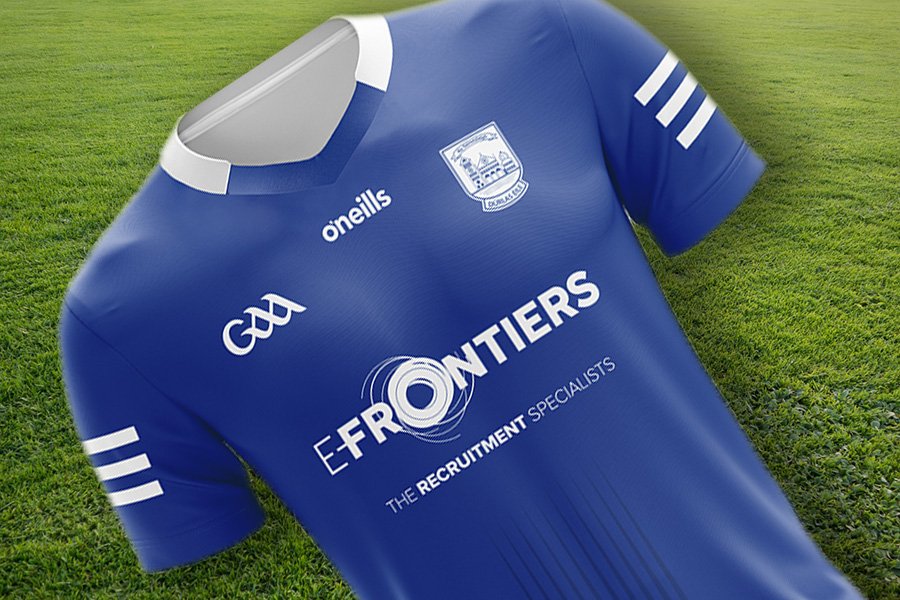
We are now into our 12th year of sponsorship of Thurles Sarsfields GAA club. It is Tipperary’s oldest Gaelic Football club and we are proud to be associated with such a legendary club that has produced many wonderful sporting heroes and moments.
E-Frontiers have a personal connection to Sarsfields. Our Managing Director, Brendan Carroll proudly wore the blue of Thurles Sarsfields and has represented both club and county at all grades.
Our sponsorship is about showing support to a club that has supported its community so well throughout its long 138 year history. It is about giving back, supporting our communities and all within them, where everyone matters. It’s about being part of where we live and what we do.
There have been many famous members of Thurles Sarsfields GAA club down through the years, and names like Semple, Doyle, Stakelum, Corbett and Maher are synonymous with this great club.
E-Frontiers are delighted to sponsor all club teams in Hurling, Gaelic Football, Football, Ladies Football and Camogie across all age grades. It is a wonderful association that we are very proud of.
We look forward to the upcoming season with anticipation.
The tech sector in Ireland has suffered in recent months – we all know of the glut of layoffs for many of the big tech giants amid global downsizing or right sizing. However, there is still strong demand for tech talent across the wider economy in other sectors such as medtech, pharma and financial services, with data analytics and cybersecurity being identified as two key areas for future growth. There are many data analytics jobs in the market, so if you are qualified in this area, you probably will be able to pick.

Fintech
The financial sector in Ireland has also seen a significant increase in demand for data-related roles. This is largely due to the need for these roles to support the increasing digitisation of the financial industry, which has been accelerated by the pandemic.
Medtech
Similarly, the healthcare sector in Ireland – there is a wealth of data being generated in healthcare, from patient records to clinical trials and medical research, and the ability to analyse this data is becoming a key factor in improving patient outcomes and driving innovation in the healthcare sector.
Start Ups
Start-ups are also a growing area of focus for data analysts. Many start-ups are data-driven, and data analytics plays a crucial role in helping these companies to gain insights into their customers behaviour, identify trends, and optimize their business processes and improve their products and services
Other Regions
Spain also has a vibrant and growing data industry and is seeing a significant increase in demand for professionals with skills in data analysis, data science, business intelligence, and machine learning. This trend has been driven by the increasing importance of data in making informed business decisions across a wide range of industries.
One of the main factors contributing to the growth of the data industry in Spain and indeed Southern Europe, is the increasing adoption of new technologies such as cloud computing, big data, and artificial intelligence. This has created a need for professionals with expertise in these areas, as well as in traditional data analytics and reporting.
Here are some of the key trends in the world of Data right now:
Artificial Intelligence (AI) and Machine Learning (ML) help businesses automate repetitive tasks, optimise processes, and personalise user experiences.
Big Data such as Hadoop, Spark, and NoSQL databases are becoming very popular.
Data privacy and security is becoming more important. Governments around the world are implementing stricter data protection regulations such as the GDPR in Europe and CCPA in California.
Data Visualization is becoming more important as businesses look for ways to communicate data insights to non-tech stakeholders. Data visualisation tools such as Tableau and Power BI are becoming increasingly popular.
Data Ethics: Data scientists need to be aware of potential biases in the data they work with and ensure that their models are fair and transparent.
So what does the future hold?
Going into the future there will be a huge need for a talent pipeline who have invested in these new skills and capabilities. We’d recommend candidates have a broad skill base and be proficient in Data Management, Governance, AI, ML, Big Data, Data Security and Cloud Computing. Candidates who upskill in these areas will be in high demand in the job market
The demand for data-related roles in both countries is growing and will continue to do so in the coming years, as more companies recognise the importance of data-driven decision making. Ireland has been positioning itself as a hub for data and technology. This can be seen through the many Government supported initiatives and programs that have been launched to support the growth of the technology sector in Ireland.
The Spanish government has also recently launched initiatives to promote the development of the data industry, including investment in research and development and the creation of data-focused training programs.
If you work in this area and would like to chat about current data analytics job opportunities or need careers advice on upskilling for the future, please get in contact with our expert recruiters in each region:
Spain: Alejandro
E: alejandro.pino@e-frontiers.ie
M: +34 629 72 14 95
Ireland: Emma
E: emma.bradley@e-frontiers.ie
DevOps & QA
The DevOps and QA Engineering fields have been evolving at a rapid pace with significant growth and change over the past few years and this trend is expected to continue in the coming years. In this blog post, we will discuss some of the trends in these fields and the emerging skills gap. We will also suggest some ways in which candidates can upskill, stand out and future-proof themselves for success in this area.

Emerging Trends
The world of DevOps, Cloud, and QA engineering is rapidly evolving, with new technologies and tools emerging almost daily. As a result, the market for these IT jobs has become highly competitive in Ireland and other regions, with difficulties in finding qualified candidates. This has led to an increase in demand for these jobs, and the need for organisations to hire professionals who can help them stay ahead of the curve.
DevOps
One of the most significant trends in DevOps is the increasing adoption of cloud technologies, such as Amazon Web Services (AWS), Microsoft Azure, and Google Cloud Platform (GCP). This trend is expected to continue as more and more organisations move their applications and infrastructure to the cloud. Another trend in DevOps is the use of automation tools for testing, deployment, and monitoring. Automation tools like Jenkins, Ansible, and Puppet are becoming increasingly popular and are expected to continue to be widely used.
QA Engineering
In the field of QA Engineering, one of the biggest trends is the adoption of Agile and DevOps methodologies. These methodologies emphasise collaboration, continuous integration, and testing, and are being widely adopted by organisations. Another trend in QA Engineering is the increasing use of Artificial Intelligence (AI) and Machine Learning (ML) for testing. AI and ML can help automate repetitive tasks, increase efficiency, and thus reduce errors in testing.
Skills Gaps
One of the biggest challenges in the market is the skills gap. Many companies are struggling to find qualified candidates with the necessary skills and expertise. Candidates need to find ways to stand out from the crowd and demonstrate their skills and experience. DevOps and QA engineers need to demonstrate a broad range of skills, including coding, testing, and automation. They also need to have good communication and collaboration skills to work effectively with different teams.
Candidates can achieve stand out by showcasing any relevant projects or open-source contributions that they have made. This can demonstrate their practical experience and ability to work with others in a collaborative environment. Additionally, candidates should ensure that their CVs are tailored to the specific job they are applying for, highlighting their relevant skills and experiences.
Upskill and Future Proof
To upskill and future-proof their careers, candidates can take courses and certifications in cloud technologies, Agile and DevOps methodologies, and automation tools. Candidates should highlight any relevant certifications or training that they have received. These can show that a candidate is committed to staying up to date with the latest technologies and practices. They can also participate in online communities, attend conferences and meetups, and read blogs and articles to stay updated on the latest trends and technologies. By following these strategies, candidates can increase their chances of landing their dream job in these exciting and in-demand fields.
For further careers advice and to find out about exciting DevOps and QA job opportunities in this area:
Contact John Ryan(Ireland) or Alfonso(Spain)
Top tips on relocation to Spain to find work
Read our recruiter’s expert advice to help you with relocation to Spain.
Alejandro Pino (Principal Recruiter in Spain): The work-life balance and general quality of life, along with the weather and beaches are just some of the reasons to think about moving to Spain. Are you considering a relocation to Spain to find work but are unsure where to start? Here are some points to consider before making the move:

Employment Opportunities
Research the job market in Spain to ensure that you have viable employment options. Consider reaching out to recruitment agencies and Spanish recruiters before your relocation to prepare in advance. This research may also guide you in terms of choosing a specific location or city.
Legal Requirements
Before you make a move to Spain, ensure that you have all the necessary legal requirements and paperwork in order. Irish and EU citizens don’t need a visa to enter Spain, but if you plan to live in Spain for more than 3 months, you’ll need to get a Certificate of Registration after arriving in Spain. This includes obtaining a NIE number (a tax identification number for foreigners in Spain).
Cost of Living
The cost of living in Spain can vary depending on where you choose to live. Research the cost of living in the cities or towns you are considering and compare it to the cost of living in Ireland. This will help you make an informed decision about whether your relocation is financially viable and what adjustments you may need to make to your lifestyle and budget.
Location
Decide on a location. Spain has many beautiful cities and regions to choose from. Think about the type of lifestyle you want and the amenities you need. For example, do you prefer living in a big city like Madrid or Barcelona, or would you rather be near the beach in Valencia or Malaga?
Accommodation
Once you have determined your budget and location, start looking for rental listings. You can search online on websites such as Idealista, Fotocasa, or Pisos.com. You can also work with a real estate agent or visit local property management offices.
Language
Spanish is the official language of Spain, and while many Spaniards speak English, it’s important to learn Spanish as it will make your transition easier. Start learning the language before you move and immerse yourself in the culture and language once you arrive. Consider taking classes or finding a language exchange partner to improve your language skills.
Contact Alejandro today to find out about new job opportunities in Spain:
M: +34 629 72 14 95
E: alejandro.pino@e-frontiers.ie
Open Doors Initiative
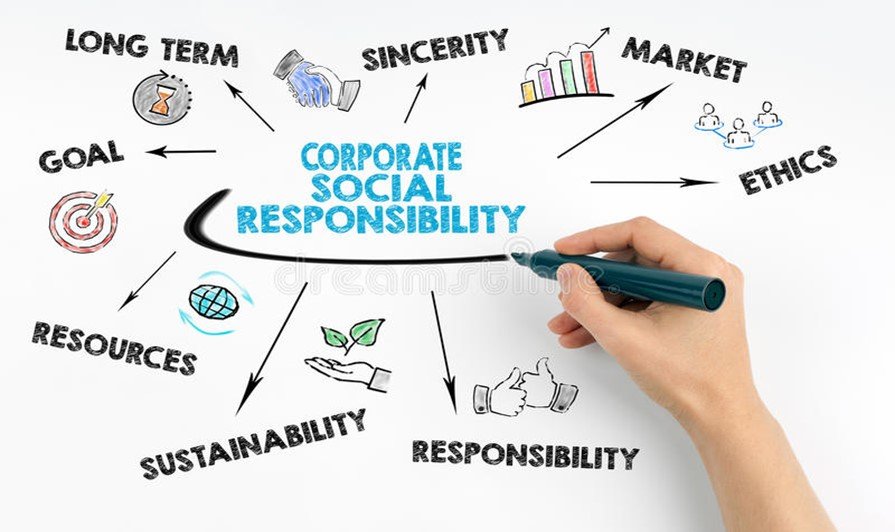
At E-Frontiers Recruitment, we have always recognised the importance of looking beyond our Recruitment agency business and considering the wider impact we can have on society and the environment. It is part of who we are and what we stand for – we want to have a positive influence and make a difference in a real way that benefits the wider community.
We have planned and implemented corporate social responsibility (CSR) programs for many years with the aim of involving E-Frontiers in meaningful activities within our society. Within the sporting arena, we are the main sponsors of Thurles Sarsfield GAA club. We also have a partnership with the Red Cross.
In 2018 we became the 15th member of the Open Doors Initiative, which now has over 100 members. Our director, Patrick Doyle is a director and Board Member of Open Doors.
So what is Open Doors Initiative and why did we join?
The Open Doors Initiative provides opportunities to marginalised members of our society, creating pathways to work through training, education, employment, and entrepreneurship.
Some of the people we work with include refugees, asylum seekers and migrants, people with disabilities and disadvantaged youth.
Becoming a member of the Open Doors Initiative was a very natural choice for E-Frontiers. Our staff come from a wide range of backgrounds just like the demographic that the ODI aims to help. Our commitment to the ODI is to help those in need on their journey to try and enter employment. As a career support company, we will do our best to make a positive change in their lives and thus in their communities.
But it is for sure a reciprocal relationship. ODI has helped us become better and be better. We lean on them to educate ourselves and upskill our team on awareness, inclusion and diversity. We strive to ingrain an ethos within our recruitment agency of giving all people a chance and we carry this ODI ethos with us, within our day-to-day work.

E-Frontiers contribution, as a Recruitment Agency
We have over 16 years of experience helping companies and candidates within the IT, Business and Financial sectors. At Open Doors Initiative, E-Frontiers is a key member in supporting the organisation in their work, listening and helping as required. There is a role to play in helping candidates with CVs, job applications and interviews as they embark on their employment journey. There is also a wider education and awareness role which is hugely important. We speak with our clients about inclusion and ensuring their business is open to a diverse range of candidates. On a practical level, we consider the clients open roles and encourage a different thought process whereby all types of candidates from all backgrounds will be considered. We are strong advocates for this initiative as we continue to spread the word through our clients, partners, and connections.
What help is available?
Participating companies offer a variety of employability interventions such as:
– Free interactive online training platform
– An internship programme specifically for people with autism to help them secure meaningful employment
– A Mentorship programme
– An employment programme for young people coming from the care system
– Pathways to Progress- Migrant Hub: this a variety of programmes aimed to support refugees and immigrants with pre-employment training, language, and integration.
– Development of access entry routes for school leavers and adults from socio-economically disadvantaged backgrounds and for people with disabilities.
– The establishment of a fund that provides grants to community groups, charities, and NGOs for new projects that support and inspire young people – helping to bridge the divide between education and the workplace
At E-Frontiers Recruitment, we believe that a small-scale enterprise with big intentions can create a great change in society.
Please come and talk to us and we can share our stories from our involvement in the Open Doors Initiative. Click here to learn more and see Open Doors progress and achievements in 2022.